What happens when you decide to train like a professional athlete, not in fantasy but within the real constraints of your life? What if you commit to structure, coaching, recovery, and all the aerobic work you once dismissed as too slow to matter?
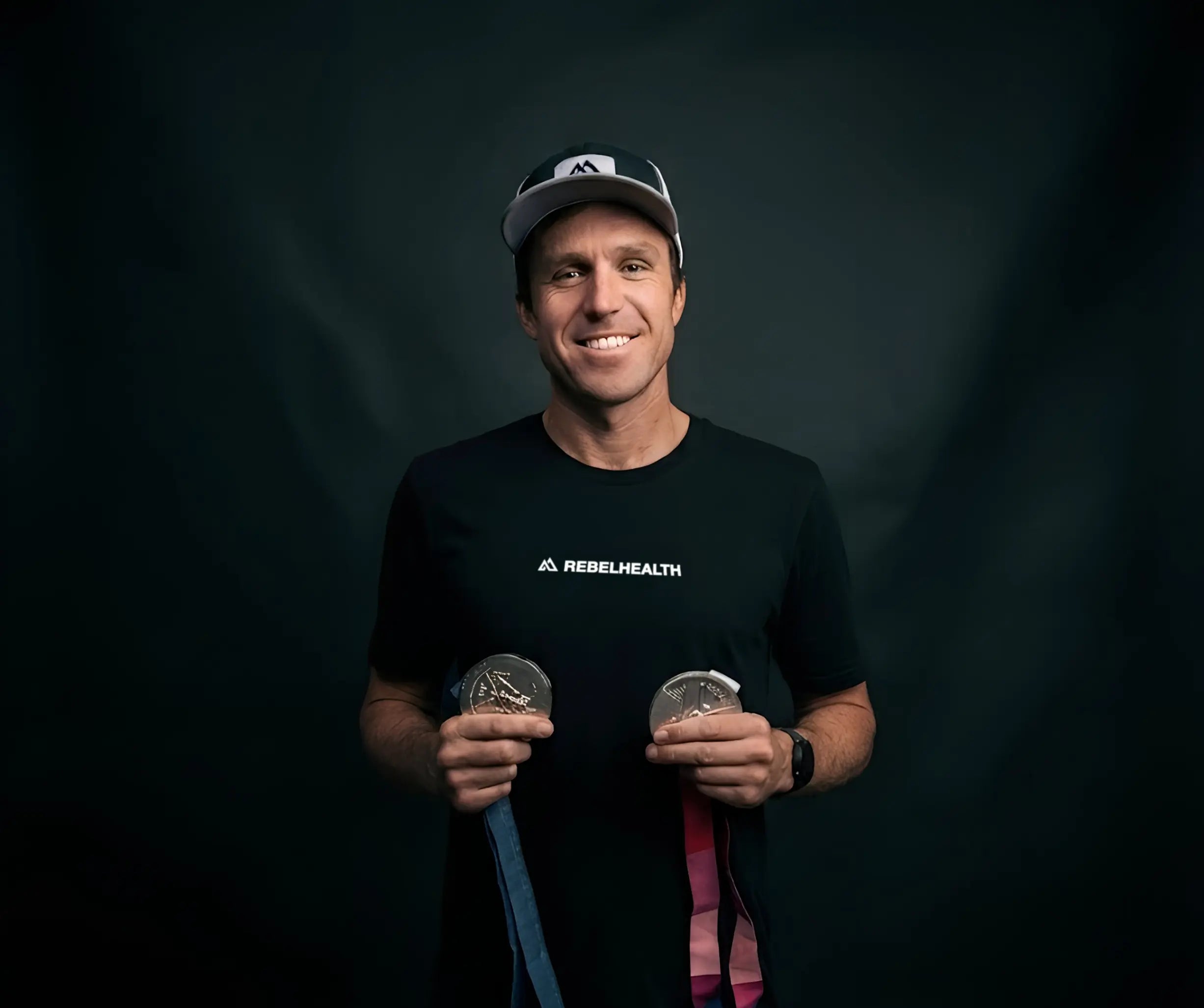
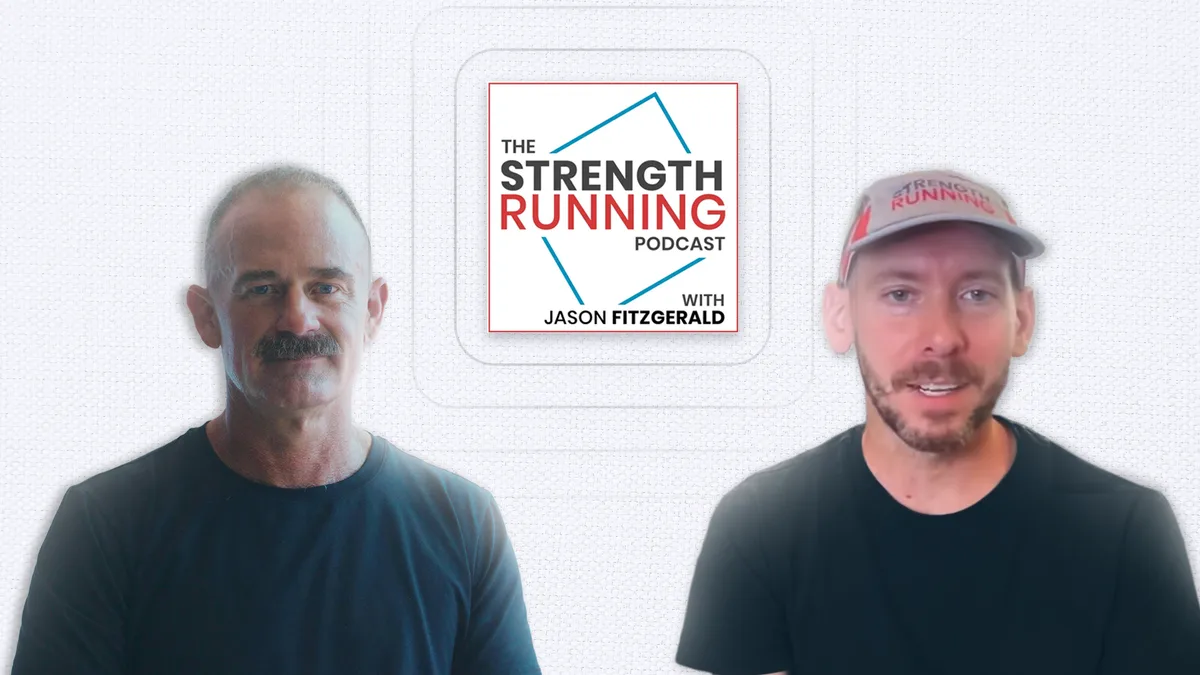
That question sits at the center of this episode of The Strength Running Podcast, where host Jason Fitzgerald speaks with John Goldman, CEO of Rebel Health Alliance, about a year-long endurance experiment he calls “Project Unreasonable.” The goal is ambitious: move from a 5:13 marathon to a Boston Marathon qualifying time of 3:20 at age 50, nearly a two-hour improvement in one year.
Listen to the episode:
Apple Podcast: https://podcasts.apple.com/us/podcast/from-bodybuilder-to-boston-qualifier-can-john-goldman/id1170932252?i=1000748366739
Spotify: https://open.spotify.com/episode/29naIMqWFk6wcPtK3lpwzn
A Real-Time Case Study in Reinvention
This conversation unfolds as a live case study in endurance reinvention. John did not come from a sedentary background. His athletic résumé includes Muay Thai, CrossFit, bodybuilding, and strength sports, disciplines built on power and intensity. What he lacked was a deeply developed aerobic engine.
That gap became clear at the Marine Corps Marathon, where he ran his first marathon and finished in the 5:13 to 5:18 range, depending on whether you look at watch time or official clock time. The final miles, especially after mile 20, exposed the difference between general fitness and marathon-specific durability. Training that appeared consistent on paper did not translate to resilience over 26.2 miles. The race was humbling, particularly when compared to runners who did not share his muscular build yet maintained steadier pacing.
For John, that experience was not just disappointing. It was diagnostic. It revealed limited aerobic depth, insufficient durability, and an overreliance on intensity rather than sustained volume. Instead of retreating, he decided to approach the next attempt differently. He hired a coach and committed to treating the following year as a structured experiment.
Recovery First, Ego Last
The first phase of Project Unreasonable did not begin with intervals or mileage. It began with restraint. After the marathon, John spent about a month limited to light, unstructured movement. No workouts. No testing. The focus was full systemic recovery before rebuilding.
When training resumed, it was simple and highly controlled. His early routine included 30 minutes of running and 30 minutes of rowing each day, all capped by heart rate to ensure truly low intensity. For someone used to pushing hard, the discipline of going easy was one of the biggest adjustments.
Yet progress came quickly. At the same heart rate, his pace improved. Energy stabilized. Mood improved. The consistency of low-stress aerobic work began building the engine he never fully developed.
Building the Engine the Right Way
As the months progressed, the structure evolved. Easy runs incorporated short strides. Hill circuits added strength without excessive fatigue. Long runs gradually expanded, still governed by a heart-rate cap and a focus on durability.
The philosophy remained consistent: prioritize aerobic development, protect recovery, and avoid unnecessary intensity. Rather than chasing hard workouts, John focused on repeatable volume.
A key theme of the conversation is that your greatest opportunity often lies in what you have avoided. John had built strength and power over decades, but not sustained aerobic capacity. Addressing that weakness directly created the biggest gains.
Rowing also played an important role. It allowed him to increase cardiovascular volume without the pounding of additional miles, helping maintain consistency while reducing injury risk.
An Ongoing Experiment
Project Unreasonable is still unfolding. At age 50, John Goldman is pursuing qualification for the Boston Marathon after debuting at 5:13. Whether he ultimately reaches 3:20 or not, the process itself offers a blueprint for ambitious recreational runners.
The lesson is not about chasing an extreme goal. It is about aligning recovery, structure, and honest self-assessment. When you commit to building your weakest link and give the aerobic system time to adapt, dramatic progress becomes possible.